 11
11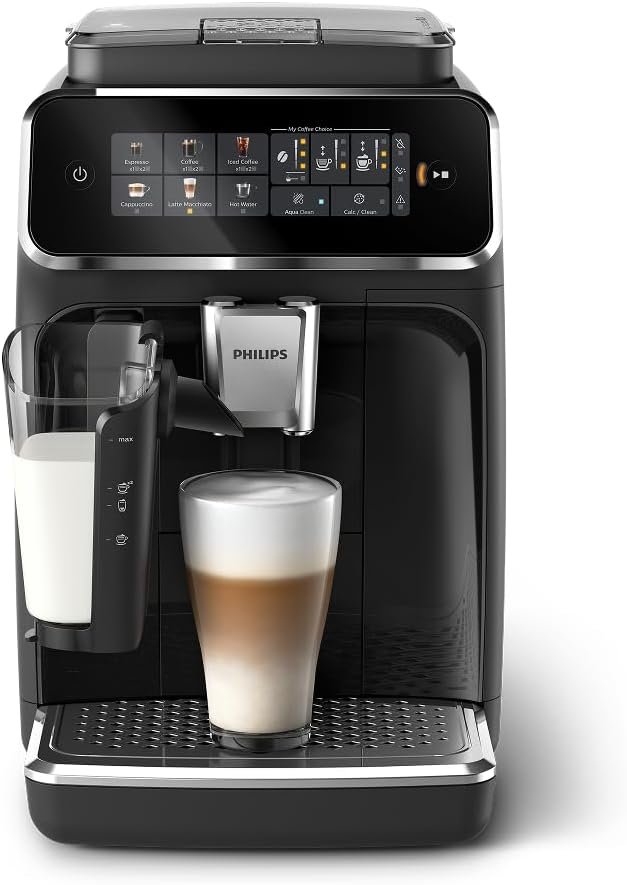
Coffee habits have shifted considerably over the past decade. What used to require a trip to a local café has increasingly moved into home kitchens, thanks to a growing range of automatic espresso machines designed to simplify the process without requiring barista-level skills. The Philips 3300 Series Fully Automatic Espresso Machine, model EP3341/50, is one such option, combining an integrated grinder, a milk frothing system, and a handful of programmable presets into a single glossy black unit.
This article takes a closer look at what this machine offers, how it might fit into different daily routines, and what factors are worth considering before deciding if it aligns with your coffee habits. Rather than making sweeping claims, the goal is to walk through the practical details so you can form your own informed opinion.
Before diving into specifics, it helps to understand where this machine sits within the broader espresso machine market. Fully automatic espresso machines are generally designed to handle the entire coffee-making process, from grinding whole beans to brewing and, in many cases, frothing milk, all with minimal manual intervention. This differs from manual or semi-automatic machines, which typically require the user to control variables like grind size, tamping, and extraction timing more directly.
The Philips 3300 Series falls into this fully automatic category, aiming to simplify the process for those who want café-style drinks without needing to learn the more technical aspects of espresso preparation.
One of the defining aspects of this machine is its built-in grinder, which processes whole coffee beans immediately before brewing. Grinding beans fresh, rather than using pre-ground coffee, is generally associated with better flavor retention, since coffee tends to lose aromatic compounds fairly quickly after grinding. This integrated approach means users can load whole beans directly into the machine, and the grinding and brewing happen as part of a single automated process.
The LatteGo system is Philips’ approach to milk frothing, designed as a simplified alternative to traditional frothing wands or more complex milk carafes. It typically consists of just two parts, which is intended to make cleaning easier compared to systems with more components and internal tubing. This system is used to prepare milk-based drinks like lattes and cappuccinos directly through the machine.
Espresso extraction relies on pressure to properly draw out flavor and create the characteristic crema on top of a shot. This machine operates with a 15-bar pressure pump, which falls within the general range associated with proper espresso extraction in home machines.
The machine includes six pre-programmed drink options, covering both hot and iced coffee preparations. This preset system is designed to simplify the process further, allowing users to select a drink type without manually adjusting each brewing parameter individually.
Noise can be a genuine consideration for automatic espresso machines, particularly the grinding process, which tends to be the loudest part of the brewing cycle. Philips describes this model as being 40% quieter than previous models through what they call SilentBrew technology, aiming to reduce the disruptive nature of grinding, especially for early morning use in shared living spaces.
The EP3341/50 comes in a glossy black finish, giving it a fairly sleek, modern appearance that’s intended to fit well on most kitchen counters without standing out too dramatically.
Compared to some larger built-in or plumbed espresso systems, fully automatic countertop machines like this one are generally designed with a more manageable footprint, making them suitable for a wider range of kitchen sizes.
An automatic espresso machine like this one can support a fairly broad range of coffee-related routines.
Daily Espresso and Coffee: For those who drink espresso or coffee-based drinks regularly, this machine is designed to streamline the morning routine, handling grinding and brewing with minimal manual steps.
Milk-Based Beverages: With the LatteGo system, users can prepare drinks like lattes, cappuccinos, or flat whites without needing a separate frothing tool or steam wand setup.
Iced Coffee Preparation: The inclusion of iced coffee presets suggests this machine is built with warmer weather routines in mind, offering a more straightforward way to prepare cold coffee drinks without needing to brew hot coffee and cool it down separately.
Entertaining Guests: For those who host gatherings or have guests over, having a machine that can quickly produce a variety of coffee drinks may reduce the effort involved in accommodating different preferences.
Simplifying Bean-to-Cup Brewing: For coffee drinkers who want the flavor benefits of freshly ground beans but don’t want to manage a separate grinder and espresso machine, this integrated approach consolidates the process into one appliance.
Reducing Café Visits: Some people use machines like this as a way to cut down on regular coffee shop visits, opting to replicate certain drinks at home instead, though the resulting flavor and experience will naturally differ somewhat from a professionally made drink.
This type of machine tends to align with certain habits and preferences more than others.
Regular Coffee Drinkers: Those who consume multiple coffee or espresso-based drinks per day may benefit from the convenience of an automatic system that handles grinding and brewing without requiring manual setup each time.
Households with Varied Preferences: Since the machine offers multiple presets, it may suit households where different members prefer different drink types, from straightforward espresso to milk-based options.
Those New to Espresso: For individuals who are interested in espresso-style drinks but don’t want to learn the more technical aspects of manual espresso preparation, a fully automatic machine can lower the entry barrier considerably.
Noise-Conscious Users: Given the emphasis on quieter grinding, this model may be particularly relevant for those living in apartments, shared spaces, or households with early risers and late sleepers under the same roof.
Those Who Value Simplified Cleaning: The two-part LatteGo system may appeal to those who want the benefit of milk-based drinks without the more involved cleaning process associated with traditional frothing systems.
That said, dedicated espresso enthusiasts who enjoy the hands-on process of manual extraction, tamping, and grind adjustment may find fully automatic machines less aligned with their preferences, since much of the process is handled internally by the machine rather than manually.
Before deciding on an automatic espresso machine, there are several practical points worth thinking through.
Since this machine relies on whole beans, the quality and freshness of the beans you use will directly affect the final result. It’s worth considering how you plan to store beans and how frequently you’ll be purchasing fresh supplies, since stale beans can noticeably affect flavor regardless of how advanced the machine itself is.
Automatic espresso machines generally require regular descaling to prevent mineral buildup, particularly in areas with hard water. Understanding the manufacturer’s recommended maintenance schedule can help preserve the machine’s performance and lifespan over time.
While the LatteGo system is designed to simplify cleaning compared to more complex frothing setups, the machine as a whole will still require regular cleaning of components like the grinder, brew group, and drip tray to function properly and maintain hygiene standards.
Even though this machine has a relatively compact footprint compared to some alternatives, it’s still a fairly substantial countertop appliance. It’s worth measuring your available space and considering ventilation and accessibility for regular use.
Automatic grinders typically have a maximum bean hopper capacity, which affects how often you’ll need to refill beans depending on your household’s coffee consumption.
While the six presets offer convenience, those looking for highly customizable extraction parameters, such as specific temperature or pressure adjustments beyond the presets, may find the customization more limited compared to manual or semi-automatic machines.
Beyond the machine itself, ongoing costs like replacement water filters, descaling solutions, and occasional part replacements are worth factoring into your overall expectations for owning this type of appliance.
Understanding how different espresso machine categories generally compare can help clarify where this model fits within the broader market.
Manual Espresso Machines: These require the user to control most aspects of the brewing process, including grind size, tamping pressure, and extraction timing. They tend to offer the most control and customization but come with a steeper learning curve.
Semi-Automatic Machines: These automate some aspects of brewing, such as water pressure, while still requiring manual grinding, tamping, and shot timing in many cases. This category often appeals to those who want more control than a fully automatic machine but less manual involvement than a fully manual setup.
Fully Automatic Machines: This category, which includes the Philips 3300 Series, generally handles grinding, brewing, and sometimes milk frothing with minimal manual input, aiming to simplify the process for convenience-focused users. The tradeoff is typically less granular control compared to manual or semi-automatic alternatives.
Pod-Based Machines: These use pre-portioned coffee pods rather than whole beans, offering convenience and consistency but generally lacking the freshness benefits of grinding beans immediately before brewing.
Each category serves different priorities, whether that’s control, convenience, consistency, or simplicity, and the right choice generally depends on how involved you want to be in the coffee-making process itself.
Does this machine grind coffee beans fresh for each cup? Yes, the integrated grinder processes whole beans immediately before brewing, which is generally associated with better flavor retention compared to pre-ground coffee.
What is the LatteGo system, and how does it differ from traditional frothers? LatteGo is Philips’ milk frothing system, designed with a simplified two-part structure intended to make cleaning easier compared to more complex frothing setups with multiple components and tubing.
Can this machine make iced coffee? Yes, the machine includes presets specifically designed for iced coffee preparation, in addition to hot coffee and espresso options.
How loud is the grinding process? Philips describes this model as being 40% quieter than previous models through their SilentBrew technology, though actual perceived noise levels can vary depending on your specific environment and expectations.
Does this machine require regular maintenance? Yes, like most automatic espresso machines, it requires regular cleaning and periodic descaling to maintain performance, particularly in areas with harder water.
Is this machine suitable for espresso purists who want full control over extraction? Not necessarily. Fully automatic machines like this one are designed for convenience and simplicity, which generally means less manual control over variables like grind size adjustment, tamping, and extraction timing compared to manual or semi-automatic machines.
The Philips 3300 Series Fully Automatic Espresso Machine (EP3341/50) is built around the idea of simplifying espresso and coffee preparation for everyday use, combining an integrated grinder, a streamlined milk frothing system, and a set of programmable presets into a single countertop appliance. Its emphasis on quieter operation and simplified cleaning suggests a design philosophy geared toward convenience and practicality, particularly for households with varied coffee preferences or noise-sensitive environments.
For those who want the benefits of freshly ground beans and milk-based drinks without a steep learning curve, this machine offers a fairly comprehensive set of features. That said, those who prefer more hands-on control over their espresso extraction process may want to weigh this against manual or semi-automatic alternatives before making a final decision.
As with any kitchen appliance investment, it’s worth thinking through your typical coffee habits, available counter space, and willingness to maintain the machine over time to determine whether this model fits well into your daily routine.