 11
11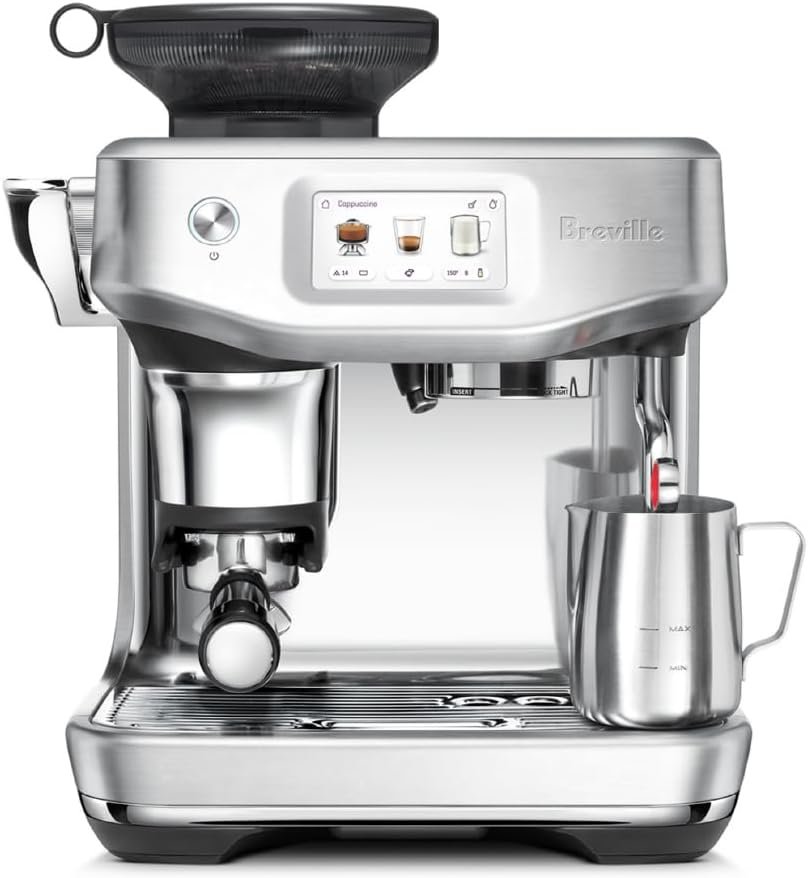
Espresso machines designed for home use have come a long way from simple pump-driven models with basic dials and switches. Today’s mid-to-high-end machines often incorporate touchscreens, automated dosing systems, and multiple brewing methods within a single unit. The Breville Barista Touch Impress, model BES881BSS in brushed stainless steel, is one example of this evolution, combining a built-in grinder, a touchscreen interface, and cold brew functionality into a semi-automatic espresso machine.
This article takes a closer look at what this machine offers, the kinds of routines it might support, and what factors are worth considering before deciding whether it fits your kitchen and your coffee habits. The intent is to provide a clear, educational overview rather than a sales pitch, so you can weigh the details against your own needs.
Before getting into specifics, it helps to understand the general category this machine occupies. The Barista Touch Impress is classified as a semi-automatic espresso machine, which means it automates certain aspects of the brewing process, like dosing and tamping in this case, while still allowing the user some manual control over variables like grind size and extraction.
This places it somewhere between fully automatic machines, which handle nearly the entire process internally, and manual machines, which require the user to control most aspects of brewing by hand. Breville has built a reputation around machines that aim to bridge convenience and control, and this model reflects that approach.
The machine includes an integrated grinder that processes whole coffee beans immediately before brewing. Grinding fresh is generally associated with better flavor and aroma retention compared to using pre-ground coffee, since ground coffee tends to lose its aromatic compounds fairly quickly after grinding. The built-in grinder is designed to streamline this step so users don’t need a separate grinding appliance.
One of the more distinctive features of this model is what Breville refers to as the “Impress Puck System.” This is essentially an automated dosing and tamping mechanism designed to create a consistent coffee puck for each shot, aiming to reduce the variability that can come from manual tamping, particularly for those newer to espresso preparation.
The machine features a touchscreen display, which is used to navigate through different drink options, adjust settings, and guide users through the brewing process. This kind of interface is generally intended to make the machine more approachable for those who might find traditional dial-and-lever systems less intuitive.
As highlighted in the product name, this machine includes cold brew or cold extraction capability, allowing users to prepare cold coffee beverages directly through the machine rather than needing a separate cold brew setup or steeping process. This is a less common feature among semi-automatic machines and reflects a growing interest in cold coffee options among home coffee drinkers.
The machine includes a steam wand and milk texturing system designed to prepare milk-based drinks like lattes and cappuccinos. Depending on the specific configuration, this may include guided or automated texturing options to help achieve a consistent microfoam without requiring extensive manual steaming technique.
The exterior finish is brushed stainless steel, which tends to hold up well aesthetically over time and fits into a wide range of kitchen styles, from modern to more traditional designs.
The touchscreen interface generally allows for both pre-set drink options and a degree of customization, letting users adjust variables like grind size, shot volume, and milk texture to suit personal preferences over time.
A machine like this one can support a fairly wide range of coffee routines, thanks to its combination of features.
Daily Espresso Preparation: For those who drink espresso regularly, the built-in grinder and automated dosing system are designed to simplify the process of pulling a consistent shot without requiring extensive manual technique.
Milk-Based Beverages: The steam wand and milk texturing system support drinks like lattes, cappuccinos, and flat whites, making it possible to prepare café-style beverages at home.
Cold Brew and Iced Coffee: With the cold extraction functionality, users can prepare cold coffee beverages directly through the machine, which may appeal to those who enjoy iced coffee drinks, particularly during warmer months.
Learning Espresso Fundamentals: Because the machine offers a degree of manual control alongside automated features, it may serve as a reasonable middle ground for those interested in learning more about espresso extraction without diving into a fully manual machine right away.
Entertaining and Hosting: The touchscreen interface and variety of drink options may make it easier to prepare different beverages for guests with varying preferences, from straightforward espresso to more involved milk-based drinks.
Gradual Skill Development: For users who want to start with more guided assistance and eventually move toward finer manual control, the customizable settings may allow for a more gradual learning curve compared to jumping straight into a fully manual machine.
This type of machine tends to align with certain user profiles more than others.
Home Baristas in Progress: Those who are interested in the craft of espresso making but aren’t ready to commit to a fully manual machine may find the semi-automatic nature of this model, combined with its guided features, to be a reasonable middle ground.
Households with Multiple Coffee Preferences: Given the range of drink types this machine can prepare, from hot espresso to cold brew to milk-based drinks, it may suit households where different members have different coffee habits.
Those Who Value Consistency: The automated dosing and tamping system is designed to reduce variability between shots, which may appeal to those who want more consistent results without needing to master manual tamping technique.
Cold Coffee Enthusiasts: Given the inclusion of cold extraction functionality, this machine may be particularly relevant for those who regularly enjoy cold brew or iced coffee and want that capability built into their primary espresso machine rather than maintaining a separate cold brew setup.
Kitchen Aesthetics-Conscious Buyers: The brushed stainless steel finish and touchscreen design may appeal to those who want their coffee equipment to align with a more modern kitchen aesthetic.
That said, those seeking either a fully automatic, minimal-effort experience, or conversely, a fully manual machine with complete control over every variable, may find this model’s semi-automatic middle ground less aligned with their specific preferences.
Before deciding on this or any semi-automatic espresso machine, there are several practical points worth thinking through.
While the touchscreen and automated features are designed to simplify the process, semi-automatic machines generally still involve more manual steps than fully automatic alternatives. It’s worth considering your willingness to learn certain aspects of espresso preparation, even with guided assistance.
Since the machine relies on whole beans processed through its built-in grinder, the quality and freshness of your beans will directly affect the final result. Planning for regular bean purchases and proper storage is worth factoring into your routine.
Machines with built-in grinders and steam wands generally require regular cleaning and maintenance to function properly over time. This can include grinder cleaning, descaling, and steam wand upkeep, all of which take some ongoing time and attention.
Given its combination of features, including a grinder, touchscreen, and steam wand, this machine is likely to have a larger footprint compared to more basic espresso machines. Measuring your available counter space beforehand is a practical step.
As with most espresso machines, water quality can affect both the taste of your coffee and the machine’s long-term performance. Understanding whether you’ll need to use filtered water or a specific descaling routine is worth researching based on your local water conditions.
Beyond the machine itself, ongoing costs like coffee beans, water filters, and cleaning supplies are worth factoring into your overall expectations, particularly if you plan to use the machine daily.
While the automated features are designed to assist with consistency, getting the most out of a semi-automatic machine often still benefits from learning some fundamentals about grind size adjustment, shot timing, and milk texturing technique over time.
Understanding how different espresso machine categories generally compare can help clarify where this model fits within the broader market.
Manual Espresso Machines: These require the user to control nearly every aspect of the brewing process, including grind size, tamping pressure, and extraction timing, often without any digital assistance. This category offers the most control but comes with the steepest learning curve.
Semi-Automatic Machines: This category, which includes the Barista Touch Impress, automates certain aspects of the process, such as dosing, tamping, or water temperature, while still allowing for manual involvement in areas like grind adjustment and shot timing. These machines aim to strike a balance between control and convenience.
Fully Automatic Machines: These handle nearly the entire brewing process internally, from grinding to extraction to milk frothing in some cases, with minimal manual input required. This category prioritizes convenience over hands-on control.
Pod-Based Machines: These rely on pre-portioned coffee pods rather than whole beans, offering consistency and simplicity but generally lacking the freshness and customization benefits of grinding beans immediately before brewing.
Each category serves different priorities, and where this particular machine fits, with its blend of automation and manual involvement, may appeal to those looking for a middle ground between full control and full convenience.
Does this machine grind coffee beans automatically before each shot? Yes, it includes a built-in conical burr grinder that processes whole beans immediately before brewing, which is generally associated with better flavor retention compared to pre-ground coffee.
What is the Impress Puck System? This refers to Breville’s automated dosing and tamping mechanism, designed to create a consistent coffee puck for each shot, aiming to reduce variability that can come from manual tamping technique.
Can this machine make cold brew coffee? Yes, it includes cold extraction functionality, allowing users to prepare cold coffee beverages directly through the machine rather than needing a separate cold brew setup.
Is this machine difficult to learn for beginners? While it includes guided features and a touchscreen interface designed to simplify the process, semi-automatic machines generally involve more manual involvement than fully automatic alternatives, so there is still some learning curve involved.
Does this machine require regular maintenance? Yes, like most espresso machines with built-in grinders and steam wands, it requires regular cleaning and periodic descaling to maintain performance and hygiene over time.
Is the touchscreen interface necessary, or could I use this machine without relying on it heavily? The touchscreen is designed to guide users through various settings and drink options, but those with more espresso experience may choose to rely more on manual adjustments and use the touchscreen interface more selectively.
The Breville Barista Touch Impress (BES881BSS) is designed to bridge the gap between fully manual and fully automatic espresso machines, offering a built-in grinder, automated dosing and tamping system, touchscreen interface, and cold extraction functionality within a single brushed stainless steel unit. This combination of features is aimed at those who want more involvement in the coffee-making process than a fully automatic machine typically offers, but without the steeper learning curve associated with entirely manual systems.
For those interested in developing their espresso-making skills gradually, or households with a mix of coffee preferences ranging from hot espresso to cold brew, this machine offers a fairly versatile set of capabilities. That said, it’s worth considering your own willingness to engage with the semi-automatic process, along with the ongoing maintenance and counter space requirements, before deciding if this model aligns with your kitchen and daily routine.
As with any significant coffee equipment investment, taking time to reflect on your typical coffee habits and how much manual involvement you want in the process can help guide a more informed decision.