 11
11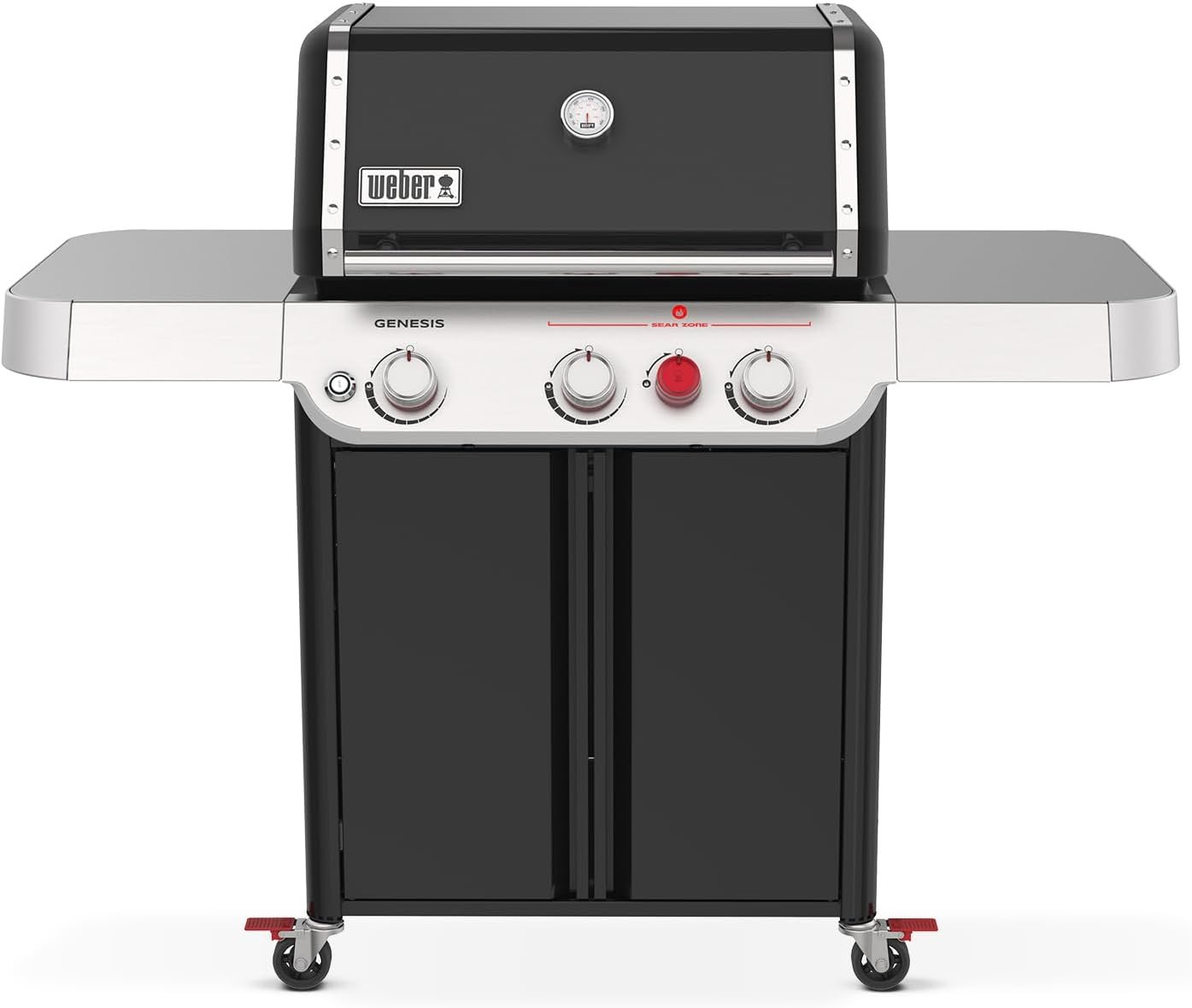
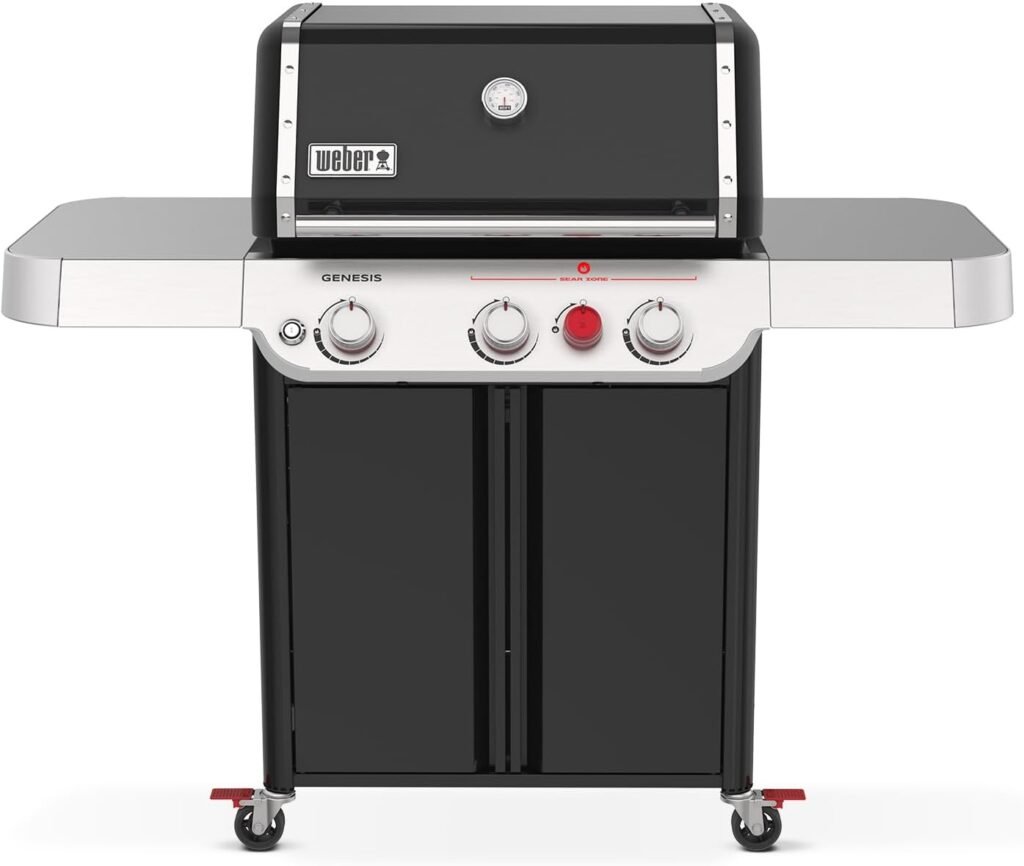
Outdoor cooking has become far more than a seasonal weekend activity for many households. It’s woven into everyday routines, family gatherings, and weekend hosting throughout much of the year. Choosing a gas grill that can hold up to that kind of regular use, while still delivering consistent results, is a decision worth thinking through carefully. The Weber Genesis E-325, a three-burner liquid propane grill finished in black, is one option within Weber’s well-established Genesis lineup, built around features like porcelain-enameled cast-iron grates, PureBlu burners, and a dedicated sear zone.
This article takes a closer look at what this grill offers, the kinds of cooking it’s designed to support, and the practical considerations worth weighing before making a decision. As with any significant outdoor equipment purchase, the goal here is to provide a clear, balanced overview rather than a persuasive pitch.
Weber’s Genesis series has long occupied a middle-to-upper tier within their broader grill lineup, generally positioned above their entry-level Spirit series while remaining more accessible than some of their higher-end Summit models. The Genesis line is often associated with a balance of durability, useful features, and consistent performance, making it a common reference point for those comparing mid-range gas grills.
The E-325 designation indicates a three-burner configuration, which generally falls into a mid-size category suitable for cooking moderate to fairly large quantities of food at once, depending on how the cooking surface is arranged.
The grill is equipped with three burners that Weber refers to as PureBlu burners. These are designed to provide consistent heat distribution across the cooking surface, which is generally an important factor in achieving even cooking results across different areas of the grill.
The cooking grates are made from cast iron with a porcelain enamel coating. Cast iron is generally valued in cooking equipment for its heat retention properties, meaning it holds and distributes heat fairly evenly once heated. The porcelain enamel coating is typically intended to help with rust resistance and ease of cleaning compared to uncoated cast iron.
A sear zone is a specific area of the grill designed to reach higher temperatures than the rest of the cooking surface, intended for searing meats or achieving a specific char on food that benefits from more intense, direct heat. This feature is generally aimed at those who want more control over achieving a particular texture or crust on certain foods.
This model runs on liquid propane, which is one of the two common fuel types for gas grills, the other being natural gas. Liquid propane grills typically use refillable or exchangeable propane tanks, offering a degree of portability since the grill isn’t tethered to a fixed gas line.
With three burners, this grill generally offers a reasonably sized cooking area suitable for preparing multiple items simultaneously, while still maintaining a manageable footprint for most outdoor spaces like patios, decks, or backyards.
The grill’s exterior comes in a black finish, which tends to be a fairly versatile color that fits well with a range of outdoor furniture and patio aesthetics.
Weber grills in the Genesis line are generally built with attention to long-term durability, given that outdoor cooking equipment is exposed to varying weather conditions and needs to withstand regular use over multiple seasons.
A three-burner gas grill like the Genesis E-325 can support a fairly wide range of outdoor cooking styles and occasions.
Everyday Grilling: For households that grill regularly, whether for weeknight dinners or weekend meals, this grill’s size and burner configuration are generally suited to preparing a variety of proteins and vegetables without needing multiple cooking sessions.
Searing Steaks and Meats: The dedicated sear zone is particularly useful for those who want to achieve a specific crust or char on steaks, chops, or other cuts of meat that benefit from high, direct heat before finishing at a lower temperature.
Multi-Zone Cooking: With three burners, users can create different heat zones across the grill, allowing for simultaneous cooking of items that require different temperatures, such as searing one item while gently warming another.
Hosting Gatherings: The grill’s size makes it reasonably well suited to preparing food for small to moderate-sized gatherings, such as family barbecues or casual get-togethers with friends.
Vegetable and Side Dish Preparation: Beyond proteins, gas grills are commonly used for grilling vegetables, corn, and other side dishes, taking advantage of the even heat distribution across the cooking grates.
Extending the Grilling Season: Since propane grills don’t rely on charcoal, they generally allow for quicker startup times and more consistent temperature control, which can make grilling more practical during cooler months or on days with limited time for meal prep.
Given its size, features, and general design, this grill tends to align with certain types of users and households.
Families Who Grill Regularly: Those who use their grill frequently throughout the week or on weekends may appreciate the combination of consistent burner performance and a reasonably sized cooking area.
Hosts and Entertainers: For those who regularly host gatherings, whether casual cookouts or more organized events, the three-burner configuration offers enough cooking space to prepare food for a moderate number of guests without excessive wait times.
Those Interested in Searing Techniques: Home cooks who enjoy techniques like reverse searing or want more precise control over achieving a specific crust on meats may find the dedicated sear zone a useful addition to their outdoor cooking setup.
Homeowners with Moderate Outdoor Space: Given its mid-size footprint, this grill is generally suited to patios, decks, or backyard spaces that can accommodate a three-burner unit without requiring an especially large area.
Those Upgrading from Entry-Level Grills: For individuals moving up from a smaller or more basic grill, the Genesis E-325 may represent a reasonable step up in terms of features and cooking capacity.
That said, those with very limited outdoor space or who grill only occasionally in small quantities might find a smaller, more compact grill better suited to their needs, while those hosting very large gatherings regularly might consider a larger grill with additional burners.
Before deciding on this or any gas grill, there are several practical factors worth thinking through.
While this is a mid-size grill, it’s still a fairly substantial piece of outdoor equipment. Measuring your available patio, deck, or backyard space beforehand can help ensure a comfortable fit, including enough clearance for safe operation.
Since this grill runs on liquid propane, you’ll need to manage propane tank refills or exchanges as part of regular use. This is worth considering compared to natural gas grills, which connect to a fixed gas line and don’t require tank changes, though they offer less portability.
Gas grills of this size typically require assembly upon delivery. It’s worth considering whether you’re comfortable handling assembly yourself or whether you’d prefer professional assembly services, which may be available through certain retailers.
Regular cleaning of the grates, burners, and interior components is generally necessary to maintain performance and extend the grill’s lifespan. Understanding Weber’s recommended maintenance routine can help you plan for ongoing upkeep.
Even with durable construction, outdoor grills generally benefit from some form of weather protection, such as a grill cover, particularly during off-season months or in regions with harsh weather conditions.
While three burners offer a reasonable cooking area, it’s worth thinking about your typical cooking volume. Those who frequently cook for large groups may want to consider whether additional burners or a larger cooking surface would better suit their needs.
Beyond the initial grill purchase, ongoing costs like propane refills, replacement parts, and grill covers are worth factoring into your overall budget for outdoor cooking equipment.
Understanding how different gas grill categories generally compare can help clarify where this model fits within the broader market.
Entry-Level Grills: These typically feature two burners or fewer, offering a more compact and often more affordable option suited to smaller households or those who grill occasionally. They generally have a smaller cooking surface and fewer additional features like sear zones.
Mid-Range Grills: This category, which includes the Genesis E-325, generally offers three to four burners, additional features like sear zones or side burners, and a balance between cooking capacity and manageable footprint. These grills are often suited to regular home use and moderate-sized gatherings.
High-End Grills: These typically include more burners, larger cooking surfaces, and additional features like rotisserie attachments, smoker boxes, or advanced temperature monitoring systems. This category is often geared toward serious outdoor cooking enthusiasts or those who frequently host larger events.
Each category serves different needs, and the right choice generally depends on how often you grill, the size of gatherings you typically host, and how much outdoor space you have available.
What is the difference between liquid propane and natural gas grills? Liquid propane grills use refillable or exchangeable tanks, offering more portability since they aren’t connected to a fixed gas line. Natural gas grills connect directly to a home’s gas line, offering continuous fuel without needing tank changes, though they’re generally less portable and may require professional installation.
What is a sear zone used for? A sear zone is a designated area of the grill designed to reach higher temperatures than the rest of the cooking surface, typically used for searing meats to achieve a specific crust or char before finishing cooking at a lower temperature.
Are porcelain-enameled cast-iron grates difficult to maintain? Porcelain enamel coatings are generally designed to make cleaning easier and help resist rust compared to uncoated cast iron, though regular cleaning is still recommended to maintain performance and appearance over time.
How many people can this grill typically cook for? With three burners, this grill generally offers a cooking surface suitable for small to moderate-sized gatherings, though exact capacity can depend on the specific menu and how the cooking space is utilized.
Does this grill require professional assembly? Assembly requirements can vary, but grills of this size typically require some assembly upon delivery. Some retailers may offer professional assembly services if you prefer not to handle it yourself.
Is this grill suitable for year-round use? Propane grills generally allow for quicker startup and more consistent temperature control compared to charcoal grills, which can make them practical for use across different seasons, though weather protection like a grill cover is generally recommended for outdoor equipment left exposed to the elements.
The Weber Genesis E-325 Liquid Propane Gas Grill combines a three-burner configuration, porcelain-enameled cast-iron grates, and a dedicated sear zone into a mid-size grill designed for regular outdoor cooking use. Its features suggest a design aimed at those who want consistent performance, some flexibility in cooking techniques like searing, and a cooking capacity suited to everyday grilling as well as small to moderate gatherings.
For households that grill frequently or host guests on a regular basis, this model offers a reasonably comprehensive set of features. That said, it’s worth considering your available outdoor space, typical cooking volume, and willingness to manage propane tank refills before deciding if this grill aligns with your outdoor cooking habits.
As with any outdoor equipment investment, taking time to think through your specific needs, available space, and long-term maintenance expectations can help ensure the grill you choose fits well into your household’s routine.