 11
11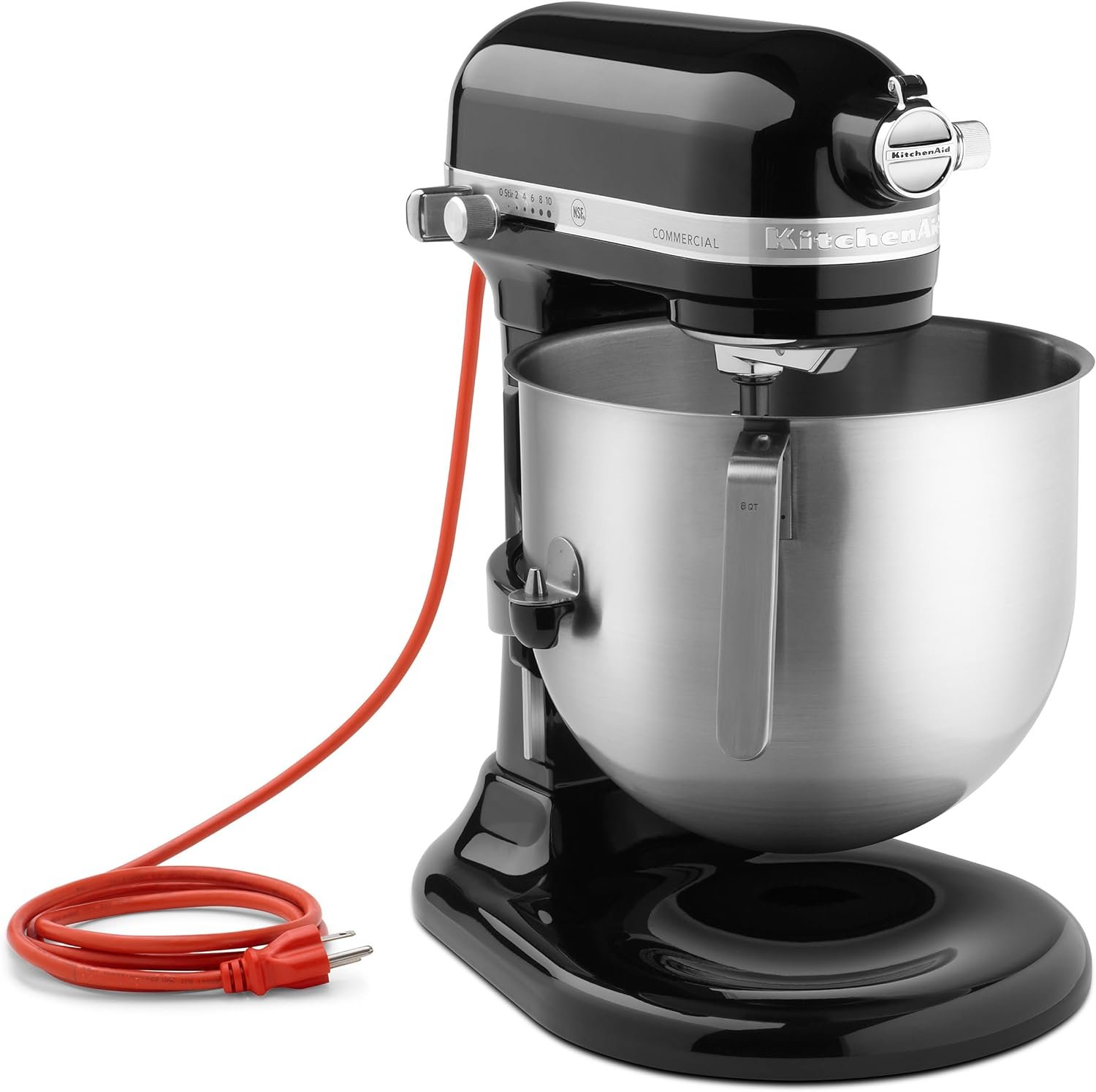
Stand mixers have become a fixture in kitchens ranging from home baking spaces to small commercial operations, and as the demand for high-volume mixing grows, so does the need for equipment that can keep pace without sacrificing durability. The KitchenAid NSF Certified Commercial Series 8-Qt Bowl Lift Stand Mixer, model KSM8990, is designed with this kind of demand in mind. It sits at the higher end of KitchenAid’s mixer lineup, built specifically for environments where consistency, capacity, and certification standards matter.
This article walks through what this mixer offers, how it might fit into different kitchen setups, and what factors are worth thinking about before making a decision. Rather than framing this as a simple recommendation, the goal here is to give you a grounded understanding of the mixer’s design and capabilities so you can determine whether it aligns with your specific needs.
KitchenAid has built a long-standing reputation around its stand mixer line, but the Commercial Series occupies a distinct category from the more familiar tilt-head models found in most home kitchens. The KSM8990 is a bowl-lift design, which already signals that it’s engineered for a different kind of use case. Bowl-lift mixers tend to offer more structural stability during heavy mixing tasks, since the bowl is raised and locked into place using a lever mechanism rather than tilting the head backward.
Beyond the mechanical design, this particular model carries NSF certification. For those unfamiliar with this designation, NSF International sets standards for equipment used in commercial food service settings, covering things like sanitation, material safety, and structural reliability. A certification like this is often a requirement for restaurants, bakeries, and other food-service businesses that need to meet health code standards, so its presence here is a meaningful detail for anyone shopping with commercial use in mind.
The mixer comes with a substantial 8-quart bowl made from stainless steel, offering considerably more capacity than standard household mixers. This size is generally suited to larger batches, whether that means mixing dough for multiple loaves of bread, whipping large quantities of frosting, or preparing bigger batters for cakes and pastries.
Rather than tilting the mixer head to access the bowl, this model uses a bowl-lift system. This is often associated with better stability, especially when working with dense or heavy mixtures like bread dough. The design distributes weight differently, which can be advantageous when the mixer is running for extended periods or handling thicker consistencies.
Commercial-grade mixers are generally built around motors capable of sustained operation, and the KSM8990 reflects that engineering philosophy. It’s designed to handle continuous mixing tasks without the same strain concerns that might apply to mixers intended for occasional home use.
Like most KitchenAid stand mixers, this model includes a range of speed settings, allowing for everything from slow stirring to faster whipping. This flexibility supports a wide variety of recipes, from delicate meringues that require gentle folding motions to heavier bread doughs that need thorough kneading.
The mixer typically comes with standard attachments such as a flat beater, wire whip, and dough hook, covering the core range of mixing tasks. These attachments are generally compatible with the broader KitchenAid attachment ecosystem, which means additional accessories like pasta rollers, food grinders, or spiralizers may also work with this model, expanding its functionality beyond basic mixing.
As mentioned earlier, the NSF certification is a defining feature for this model. It signals that the mixer has been evaluated against specific commercial food safety and equipment standards, which can be particularly relevant for businesses that need to meet local health inspection requirements.
Commercial-series equipment is typically built with more robust materials and construction methods compared to consumer-grade counterparts. This often translates to a heavier overall unit, metal gearing rather than plastic components in certain areas, and a design intended to withstand more frequent and prolonged use.
The versatility of a stand mixer like this one extends well beyond basic cake batter. Here are some practical applications worth considering:
Bread and Dough Preparation: With its dough hook attachment and sturdy motor, this mixer is well-suited to kneading bread dough, pizza dough, or bagel dough in larger quantities. The bowl-lift design helps maintain stability during the kneading process, which can involve significant resistance.
Large-Batch Baking: Bakeries or home bakers producing sizable quantities of cookies, cakes, or muffins may find the 8-quart capacity useful for reducing the number of batches needed to complete a large order.
Whipped Preparations: The wire whip attachment allows for whipping cream, egg whites, or meringues. Given the mixer’s power, this can be especially useful when preparing large quantities for catering or event-based work.
Sauces and Fillings: Beyond baking, stand mixers can assist with blending sauces, fillings, and other food preparations that require thorough and consistent mixing.
Commercial Kitchen Integration: For food-service businesses, this mixer may serve as a core piece of equipment for daily production tasks, particularly in bakeries, cafes, or catering operations where consistent volume output is part of the daily workflow.
Expanded Functionality with Attachments: Because KitchenAid mixers are often compatible with a range of additional attachments, this model has the potential to take on tasks like pasta making, meat grinding, or vegetable spiralizing, depending on which accessories are added.
Given its size, power, and certification, this mixer tends to align with certain types of users more than others.
Small Bakeries and Food Businesses: Given the NSF certification, this model may be particularly relevant for businesses that need equipment meeting health code standards for commercial kitchens.
Home Bakers with High-Volume Needs: Some home bakers who produce large quantities regularly, such as those running a home-based baking business, might find the extra capacity and durability beneficial compared to standard consumer mixers.
Catering Services: Catering operations that need to prepare food in bulk on a consistent basis may find the mixer’s capacity and construction aligned with their operational demands.
Culinary Schools or Training Kitchens: Educational kitchens that see frequent, heavy use from multiple users throughout the day might also be a suitable environment for this type of equipment, given its built-for-durability design.
That said, this mixer may not be the most practical choice for casual home bakers who only prepare small batches occasionally. Its size, weight, and capacity are considerably more than what’s typically needed for infrequent, small-scale baking.
Before deciding on any large piece of kitchen equipment, there are a few practical factors worth thinking through.
Commercial-grade mixers like this one tend to be larger and heavier than standard consumer models. It’s worth measuring your available counter space and considering storage options, especially if the mixer will need to be moved or stored when not in use.
Given the sturdier construction, this mixer is likely to be on the heavier side. This is generally a tradeoff for durability and stability, but it does mean the mixer isn’t especially portable once set up.
While many KitchenAid attachments are designed to work across various models, it’s a good idea to verify compatibility with this specific model before purchasing additional accessories, since not all attachments are universally interchangeable across every KitchenAid mixer line.
Commercial equipment often requires regular maintenance to preserve performance over time. Understanding the manufacturer’s cleaning and upkeep recommendations can help extend the lifespan of the mixer, particularly if it will see frequent use.
Commercial-grade equipment typically comes at a different price point compared to standard home mixers, reflecting the more robust construction and certification. It’s worth weighing this investment against your actual usage needs, since the benefits of a commercial-grade mixer are most apparent for those with higher-volume mixing demands.
Checking the manufacturer’s warranty details and available customer support options is generally a good practice before committing to any commercial kitchen equipment purchase, as this can affect long-term satisfaction and peace of mind.
When exploring stand mixers broadly, it can help to understand how different categories generally compare, without focusing on any specific brand or competitor.
Entry-Level Home Mixers: These are typically smaller in capacity, often ranging from 3 to 5 quarts, and are designed for occasional home baking tasks like cookies, small cakes, or light bread dough. They tend to be more affordable and compact but may not hold up as well under frequent, heavy-duty use.
Mid-Range Home Mixers: These often include tilt-head designs with moderate capacity, usually around 5 to 6 quarts. They strike a balance between affordability and capability, suitable for regular home baking without the demands of commercial output.
Commercial-Grade Mixers: This category, which includes models like the KSM8990, generally features larger bowl capacities, more robust motors, and construction designed for continuous or frequent use. These mixers often come with certifications relevant to food-service settings and are built to handle the wear and tear of daily commercial operation.
Each category serves a different purpose, and the right choice generally depends on the frequency of use, the volume of food being prepared, and whether commercial certification is a necessary requirement for your specific setting.
Is this mixer suitable for home use, or is it strictly for commercial kitchens? While it’s certified for commercial use, it can technically be used in a home kitchen as well. However, its size and capacity are generally more than what a typical home baker would need for everyday tasks.
What does NSF certification actually mean for this product? NSF certification indicates that the equipment has been evaluated against specific standards related to food safety, sanitation, and material durability, which is often a requirement for use in professional food-service environments.
Can this mixer handle thick bread dough without straining? The bowl-lift design and commercial-grade motor are generally built to handle denser mixtures like bread dough more effectively than standard consumer mixers, though actual performance can vary depending on the specific recipe and quantity being prepared.
Are attachments from other KitchenAid mixers compatible with this model? Many KitchenAid attachments are designed to be compatible across various models, but it’s worth confirming compatibility with this specific model before purchasing additional accessories.
How much counter space does this mixer typically require? Given its commercial-grade size, this mixer generally requires more counter space than standard home mixers. It’s a good idea to measure your available space beforehand.
Is this mixer heavier than typical home stand mixers? Yes, commercial-grade construction generally results in a heavier unit compared to consumer-grade mixers, which is often a tradeoff for added durability and stability.
The KitchenAid NSF Certified Commercial Series 8-Qt Bowl Lift Stand Mixer (KSM8990) represents a step up from standard consumer mixers, built with commercial kitchens and high-volume baking in mind. Its bowl-lift design, substantial capacity, and NSF certification make it a relevant option for bakeries, catering businesses, and other food-service settings that require equipment meeting specific health and durability standards.
For those with less frequent or smaller-scale mixing needs, this model may offer more capability than necessary, and a more standard home mixer could be a better practical fit. However, for businesses or serious home bakers producing food in larger quantities on a regular basis, the features built into this mixer are designed to support that kind of demand.
As with any significant kitchen equipment purchase, it’s worth considering your specific usage patterns, available space, and long-term needs before deciding if this model aligns with your situation.